


Lower employee turnover, improved morale and engagement at organisations that allow remote work. According to these results, businesses in the present day that care about their workers’ happiness and provide options for how they spend their time at work may have an edge in the current labour market.
Table of Contents
The workplace is constantly evolving. Gone are the days of traditional 9-to-5 office culture which are being supplanted by a new approach that prioritises wellness, collaboration, and creativity. This new approach, known as the modern workplace, radically alters our work.
The days of rigid structures, hierarchical systems, and an emphasis on productivity over employee satisfaction are done. Modern workplaces focus on adaptability, originality, and the human element of work.
Definition
The term “modern workplace” refers to an approach to work influenced by the changing attitudes of employees, the advancement of technology, and a shift in societal values. This workplace is characterised by a focus on employee wellbeing, flexibility, and remote work. It departs from the typical office culture and stresses the importance of innovation and creativity.

Tip
Modern workplaces require new skills, such as digital literacy and empathy and compassion. To develop these talents, take advantage of training and professional development opportunities.
Traditional workplace versus modern workplace
Traditional workplaces tend to be more rigorous and regimented, with employees expected to adhere to precise rules and regulations. They usually have a hierarchical structure, with a distinct separation between management and employees. In a conventional workplace, employees typically work pre-determined hours and adhere to a strict attire. Everything revolves around productivity and efficiency.
In contrast, the contemporary digital workplace is more fluid and dynamic. It permits remote work, flexible schedules, and encourages employees to share ideas, knowledge and skills. The modern workplace promotes collaboration across teams and departments. It’s often characterised by a relaxed dress code and a greater emphasis on employee satisfaction.
Modern workplace, modern technology
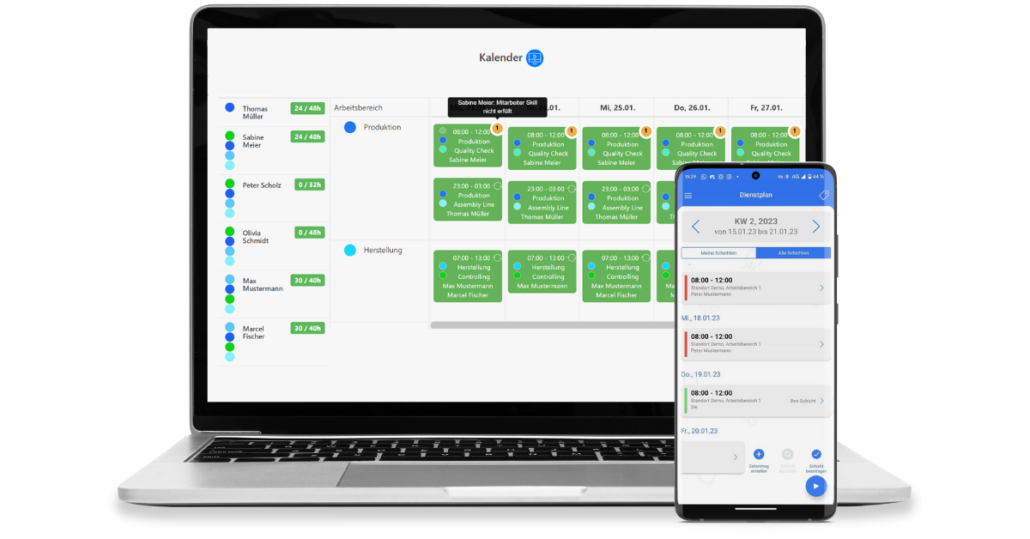
Any office or a workplace that wants to be innovative, modern and relevant needs a concise scheduling system. The Auto Scheduler from TimeTrack adjusts to the preferences of the users and helps you manage your day. The Vienna Technical University assisted in the development of the automated tool, which includes a sophisticated algorithm that provides the necessary analytics and adjusts to your preferences.
At the press of a button, a clear and concise schedule can be generated, ensuring that all personnel are aware of their shift times and locations. You may customise your own duty schedule to fit your demands thanks to the priorities of the automated assignment process.
Advantages of the modern workplace
A study on the contemporary workplace indicated that when workers are allowed to work remotely and choose their own schedules, they are more likely to be productive and satisfied.
The Harvard Business Review research polled 1 000 workers across sectors and found that those with remote or flexible work reported greater job satisfaction, better customer experience and improved time management.
Other advantages include:

Creating modern workplace solutions
If you wish to create a contemporary workplace, consider the following suggestions:
- Offer flexible work arrangements, wellness programs, and opportunities for professional development.
- Create an engaging environment by providing open workstations, ideation sessions, and nurturing an innovative culture.
- Embrace technology to enhance communication, facilitate remote work, and streamline workflows.
- Promote an inclusive and diverse workplace by implementing appropriate policies.
- Offer benefits, such as health insurance, retirement programs, and paid time off to attract and retain top talent.
Tip
Effective communication is more essential than ever, given the prevalence of technology. Incorporate tools such as video conferencing and instant messaging into team work.
Tip
To prevent exhaustion, it is essential to prioritise work-life balance. Encourage employees to prioritise mental health.
Skills needed for success in the modern workplace
Companies are looking for candidates with the flexibility to work in various settings and the ability to collaborate with others. Not to mention, strong interpersonal and communication skills.
Employers value employees who can quickly learn and implement new processes and technology. Employees who can adapt rapidly to new situations and stay positive are highly sought after.
Staff are also required to collaborate to accomplish objectives and address challenges. Companies want team players who can get along well with others and get the job done.
The ability to communicate effectively is crucial in contemporary business. Employees should be able to express themselves succinctly while interacting with clients, consumers, and co-workers.
Employees working in today’s businesses must be able to think critically and creatively to succeed. Companies want candidates with the analytical skills to gather relevant information, weigh their alternatives, and make sound judgements.
Thinking beyond the box is highly prized in today’s businesses. Companies want team members who can think creatively, research, and question established practices. Thinking creatively is vital to generating marketable ideas, refining existing ones, and maintaining a competitive edge.
Emotional intelligence means being aware of and in control of one’s own and other people’s feelings. Employees need to be adept at handling difficult interpersonal circumstances, forming productive partnerships, and resolving problems.
The capacity to lead people is more important in today’s business. Motivators, delegators, and critics are highly sought after by employers because of the positive impact they have on a team. Strong leadership abilities are essential to climb the corporate ladder.
Conclusion
The modern workplace is not a one-size-fits-all solution. Depending on the industry, company culture, and employee demographics, organisations and teams may require different approaches.
In addition, employers must maintain a balance between prioritising the employee experience and well-being and achieving business goals. While the modern workplace places greater emphasis on employee satisfaction, it is still essential for companies to have a forward plan to meet their objectives and remain competitive in their respective industries.
Overall, the modern workplace reflects the changing attitudes and values of employees and the technological advancements that have transformed how we work. By embracing this new approach, employers can create a more productive, innovative, and fulfilling work environment for their employees.

Anja Bosiok ist Marketing Managerin bei TimeTrack und schreibt seit über drei Jahren über Zeitmanagement, moderne Arbeitswelt und digitale HR-Prozesse. Sie studierte Journalismus (Bachelor) sowie Publizistik- und Kommunikationswissenschaft (Magister) und verbindet redaktionelle Präzision mit tiefem Produktverständnis. Zuvor war sie als Content Managerin bei TimeTrack tätig und begleitet seitdem die Themen rund um Arbeitszeiterfassung und Personalorganisation – von der gesetzlichen Grundlage bis zur praktischen Umsetzung im Unternehmensalltag.

