What are Business Analysis Methods?
In the intricate world of business analysis, various techniques serve as the playbook for various process steps and for enhancing the efficiency and effectiveness of business cases. Let’s explore some common and powerful techniques that businesses use to audit and improve process efficiency in their operations.
The Basics
Business analysis techniques are specific processes designed to scrutinize and enhance business operations. These step-by-step procedures keep analysts organized, aiding in strategic decision-making during the analysis phase of complex business processes.
A Brief Overview
Several widely used business analysis techniques play a crucial role in different industries and projects. These gap analysis techniques range from streamlining operations to aligning company goals, ensuring long-term success.
1. Business Process Modeling (BPM)
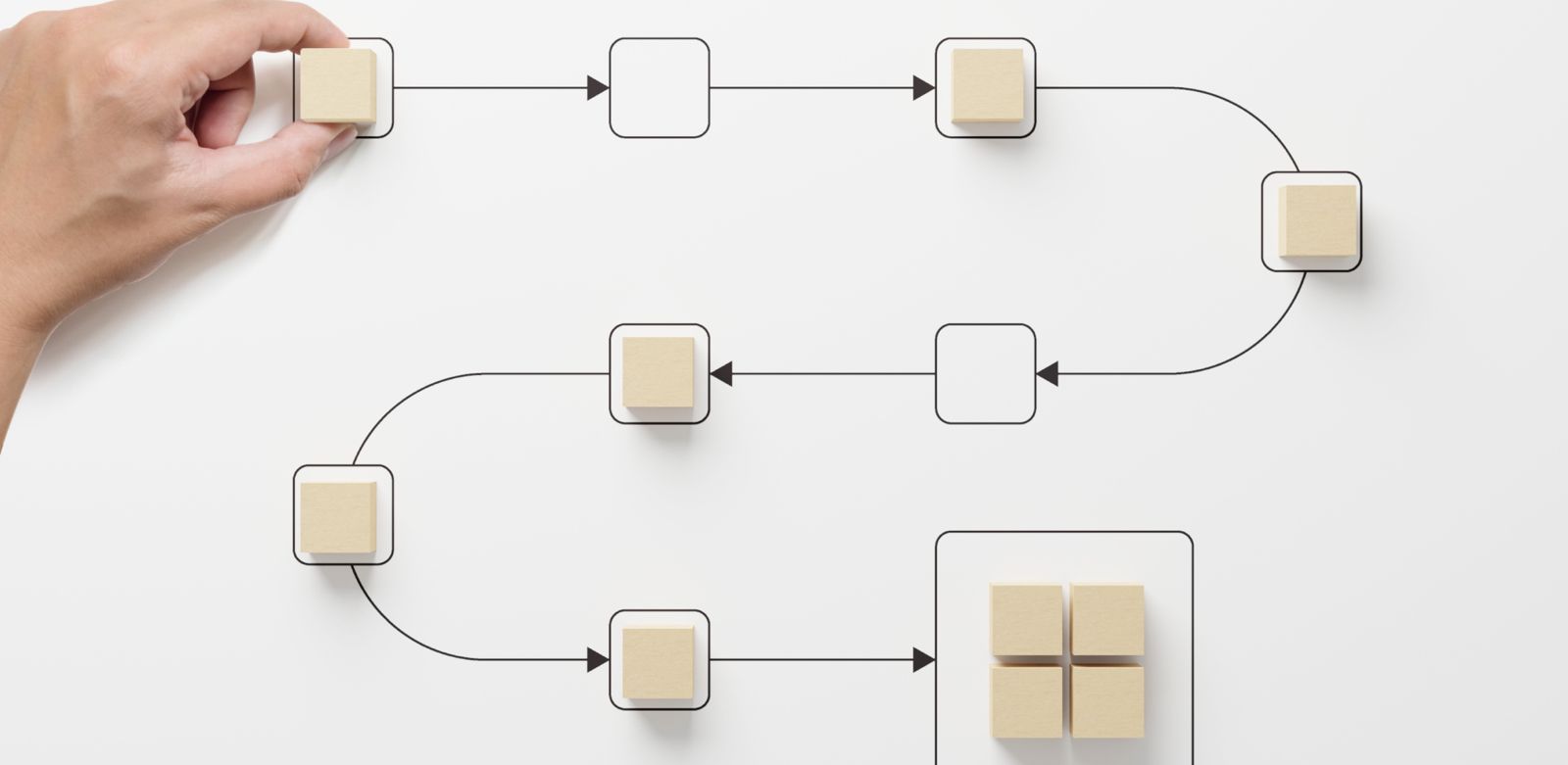
Definition: Also known as business process mapping, BPM creates a visual representation of a company’s procedures, aiding in identifying inefficiencies.
Steps:
-
- Strategic planning: Understand processes and problems before creating a model.
- Business Model Analysis: Develop a model based on gathered information.
- Define and design the process: Apply solutions to the model.
- Technical Analysis: Use visualization to analyze and improve solutions.
Example: If a company is altering its current process or its product production method, BPM can highlight how this change affects other processes, offering a visual tool to pinpoint obstacles and areas of improvement.
2. Strength, Weakness, Opportunities, Threats (SWOT)
Definition: This technique identifies internal (Strengths and Weaknesses) and external (Opportunities and Threats) factors, driving informed decision-making across various business areas.
Steps:
- Strengths: Identify advantages over competitors.
- Weaknesses: Recognize obstacles to growth.
- Opportunities: Utilize external factors to advantage.
- Threats: Identify external factors limiting success.
Example: Applied in performance reviews, helping employees make improvements and celebrate strengths.
3. Mission, Objectives, Strategies, and Tactics (MOST)
Definition: MOST ensures that a company’s main goals are maintained through decisions and transitions, turning overarching objectives into achievable actions.
Steps:
- Mission: Define the overarching purpose.
- Objectives: Outline goals to accomplish the mission.
- Strategies: Determine actions to reach objectives.
- Tactics: Specify how to execute strategies.
4. Customers, Actors, Transformation, Worldview, Owner, Environmental constraints (CATWOE)
Definition: CATWOE examines how individual stakeholders’ viewpoints impact goals and processes, understanding how actions affect the organization, customers, and leadership.
Steps:
-
- Identify Customers, Actors, Transformation, Worldview, Owner, and Environmental constraints.
- Ask key questions about how each element affects the proposed solution.
- Use answers to guide strategies and final solutions.
5. Political, Economic, Social, Technological, Legal, Environmental (PESTLE)
Definition: PESTLE identifies external factors influencing decisions within an organization and predicts how the company’s changes will impact these factors.
Steps:
-
- Walk through Political, Economic, Social, Technological, Legal, and Environmental factors.
- Evaluate how each factor affects the business and propose solutions.