


The success of workforce transformation is dependent on management’s participation. The leadership team must commit to the workforce transformation and be instrumental in feedback and guidance.
Table of Contents
Workforce transformation is necessary for companies seeking to remain competitive. Companies must rapidly adapt to the rise of digital technologies and alter consumer behaviours to survive and flourish. Transformation of the workforce requires reevaluating organisational structures, employee positions, and skillsets, as well as adopting new technologies and tools. It necessitates businesses to be adaptable and nimble to rapidly adapt to shifting market conditions.
Definition
Workforce planning is essential for any organisation that wants to attain its goals and objectives. This strategy involves a methodical analysis of a company’s current present and prospective workforce requirements. It typically involves forecasting workforce demand based on business growth, industry trends, and regulatory environment changes.
In addition to examining the current workforce demographics, the employee experience, turnover rates, and labour market conditions, the supply of productivity gains needed for labour is also analysed.

Tip
Once a company has a thorough comprehension of its workforce demand and supply, it can identify gaps and devise strategies to address them. These strategies may include initiatives for recruitment and retention of talent, programmes for workforce development, and succession planning. The purpose of workforce planning is to ensure that an organisation has the appropriate people in the appropriate roles to achieve its goals and objectives.
Applying workforce transformation to a business
Workforce transformation is a comprehensive business strategy that entails reconsidering the organisation’s culture, structure, processes, and technology. Its implementation will hinge on the company’s requirements and objectives.
Redefining organisational structures is an essential aspect of workforce transformation. This may include flattening hierarchies, forming cross-functional teams, and empowering workers to make decisions. The goal is to create a more adaptable and responsive business that rapidly adapts to shifting demands.
To successfully change the workforce, employee responsibilities and skill sets need to be redefined according to the needs of the company. This may require hiring workers with in-demand talents, retraining existing staff, or developing new positions that are aligned with emerging technology.
The transformation of the workforce necessitates the establishment of a culture that encourages innovation and creativity. This may involve allowing employees to experiment and fail, fostering collaboration and knowledge sharing, and challenges, and recognising achievements.
Overseeing staff absences
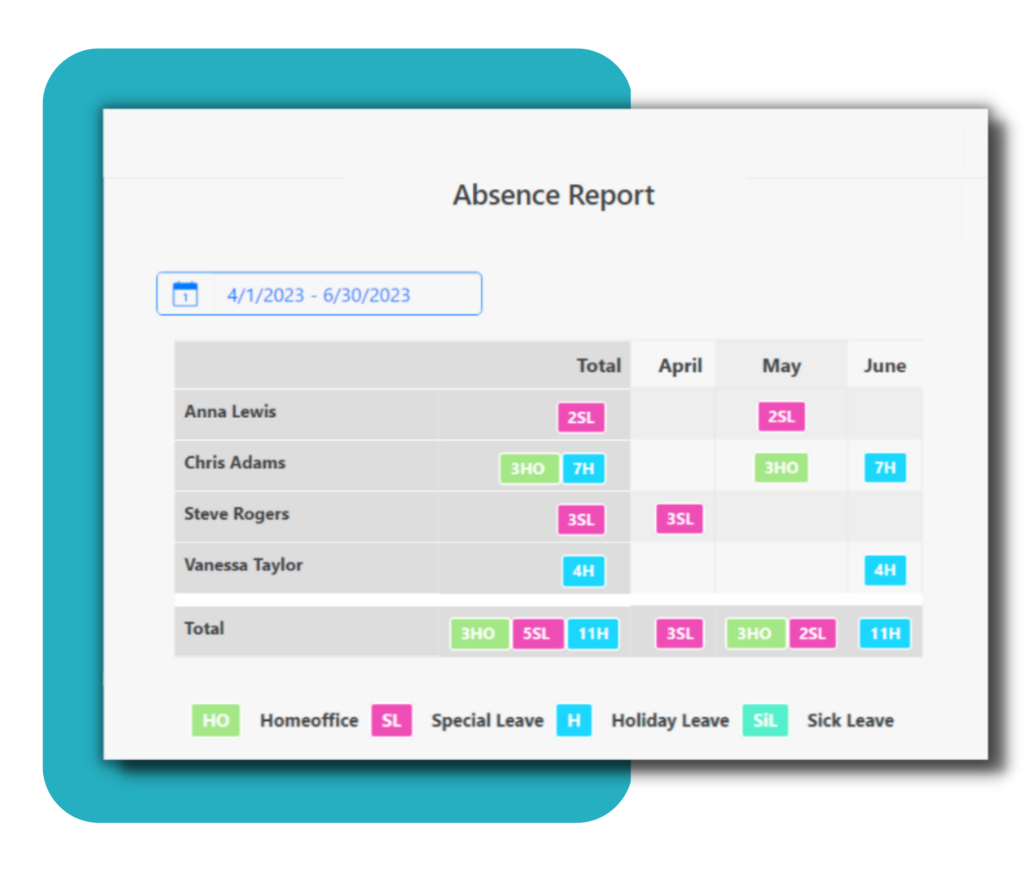
Workforce transformation must include a comprehensive understanding of your employees’ leave and absences over specific periods. This information is necessary to your overall business strategy.
The absence report in TimeTrack enables HR personnel to monitor employee absences, such as illness days, vacation days, and other forms of leave. On the absence report, HR managers have a comprehensive overview of all employees and the categories of absences they’ve recorded. Absence reports can reduce the time and effort required to manually monitor and manage employee absences by automating this process. TimeTrack’s absence management system provides these capabilities quickly and efficiently.
Transformation for a more agile workforce
Transformation of an agile workforce is an expansive process that requires a strategic approach and meticulous planning. Consider the following factors to ensure a successful business transformation:

Digital impact of workforce transformation
The digital transformation of enterprises is one of the most significant drivers of workforce transformation. Digital transformation includes incorporating digital technologies into all aspects of a business, including customer experience, operations, and supply chain management.
Companies must incorporate new technologies, processes, and systems through digital transformation to transform and remain competitive in the digital age.
Digital transformation substantially impacts workforce transformation, requiring businesses to reconsider how they operate and govern their employees.
Automation is essential to digital transformation, and businesses must adopt it to remain competitive. Automation can assist companies in streamlining processes, reducing expenses, and increasing productivity. However, industrialisation also necessitates upskilling and reskilling employees to ensure they can effectively work alongside the new technology.
In recent years, remote work has grown in popularity, and the COVID-19 pandemic has accelerated this trend. Businesses must embrace remote work and provide their employees with the necessary tools and support to work effectively from any location.
Tip
Digital skills are in high demand. Businesses must invest in training programmes to assist existing employees in acquiring the skills needed to operate in the digital age. This may entail retraining current employees or recruiting new candidates with the necessary skills.
Future-proofing through workforce transformation
In a market undergoing rapid change, businesses wishing to future-proof themselves must prioritise workforce transformation.
Here are some essential measures companies can adopt to future-proof their operations:
- Businesses must invest in continuous learning and development programmes to ensure their employees have the necessary skills to remain competitive.
- Future-proofing business success necessitates the establishment of a culture of innovation and creativity within enterprises. This may involve encouraging employees to experiment and take risks, celebrating success, and fostering collaboration and sharing knowledge.
- Businesses must be agile and adapt rapidly to shifting market conditions to be future-proof. This may require revising organisational structures, employee positions, and skillsets and investing in a technology infrastructure that supports agility and adaptability.
Conclusion
The transformation of an organisation’s personnel is an essential process that must be carried out if businesses want to stay relevant.
Focus on emerging technology, upskilling workers, making peace with remote work, and the creation of an innovative culture.
Companies have the ability to adapt to changing market circumstances and succeed in the digital era provided they implement an all-encompassing plan for transformation.

Anja Bosiok ist Marketing Managerin bei TimeTrack und schreibt seit über drei Jahren über Zeitmanagement, moderne Arbeitswelt und digitale HR-Prozesse. Sie studierte Journalismus (Bachelor) sowie Publizistik- und Kommunikationswissenschaft (Magister) und verbindet redaktionelle Präzision mit tiefem Produktverständnis. Zuvor war sie als Content Managerin bei TimeTrack tätig und begleitet seitdem die Themen rund um Arbeitszeiterfassung und Personalorganisation – von der gesetzlichen Grundlage bis zur praktischen Umsetzung im Unternehmensalltag.

