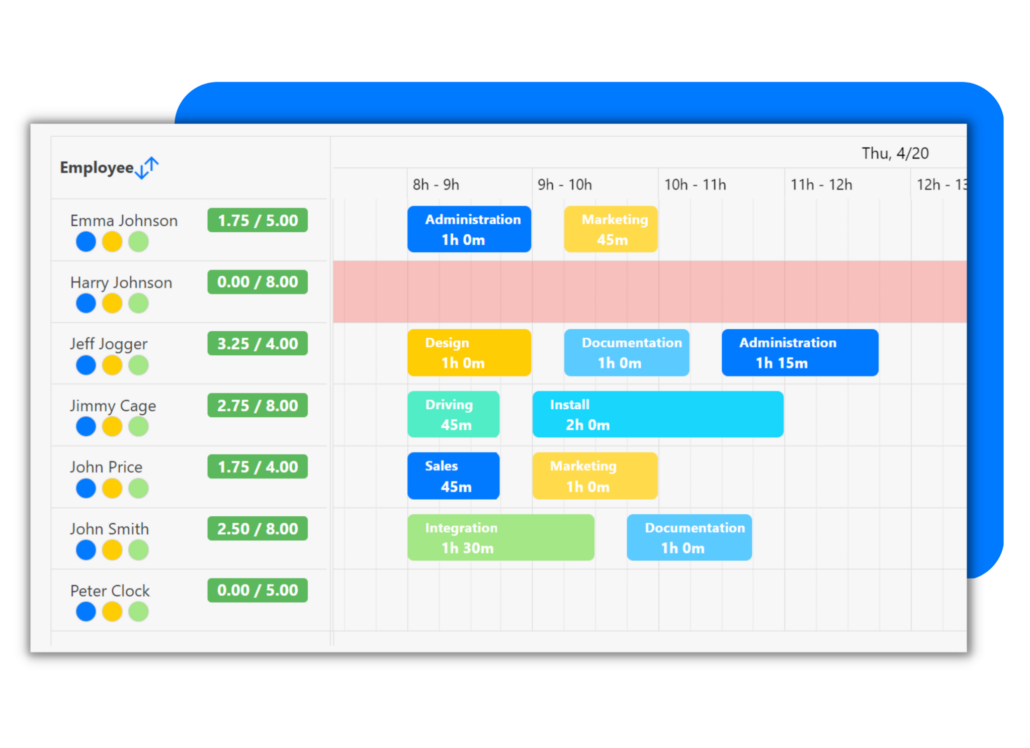
What do prioritisation tools accomplish?
Prioritisation tools play a vital role in effective time management, assisting teams to ramp up their productivity.
Enhanced decision-making
The right prioritisation tools provide a structured framework for decision-making, allowing employees to evaluate and rank tasks based on predefined criteria. This systematic approach to prioritisation eliminates guesswork and subjectivity (often associated with task prioritisation). Individuals can make informed choices about estimate timing and effort by considering deadlines, importance, urgency, and resource requirements.
A clear focus on critical tasks
One of the main advantages of prioritisation tools is that they assist users in identifying and concentrating on high-priority tasks. By using software tools for prioritisation, employees can easily differentiate between important and lesser tasks through priority levels.
This clarity enables staff to direct their energy towards tasks that have a significant impact on their goals and objectives, ensuring that important activities receive the attention they need.
Efficient resource allocation
Prioritisation tools enable users to allocate their resources effectively. Whether it’s time, effort, or other valuable resources, these tools help others understand where and how to allocate them best.
By assessing the importance and urgency of tasks, individuals can determine which activities require more significant investment and which can be delegated or postponed. This efficient resource allocation minimises wasted effort and ensures that resources are directed towards tasks that align with strategic objectives.